Plan your visit to National Orchid Garden
The National Orchid Garden is a ticketed hilltop garden inside Singapore Botanic Gardens, best known for its huge display of tropical orchids and the cool, misty Sembcorp Cool House. It looks gentle on paper, but the visit is more physical than many expect because most of it is outdoors, warm, and on sloping paths. The difference between a relaxed visit and a tiring one is usually timing. This guide helps you plan arrival, pacing, tickets, and what to prioritize once you're inside.
Quick overview: National Orchid Garden at a glance
If you're deciding when to go, how long to stay, and whether to prebook, start here.
- When to visit: Daily, 8:30am–7pm. Weekday mornings from 8:30am–10am are noticeably calmer than weekends from 10am–2pm, because tour groups and school visits usually build from late morning onward.
- Getting in: From S$15 for standard adult non-resident entry, with some online tickets discounted to around S$8–12. Advance booking is not essential on most days because queues are usually short, but it can be worth it if you find a genuine discount.
- How long to allow: 1.5–2 hours suits most visitors. It stretches toward 2 hours if you slow down for photos, the VIP orchids, and the Sembcorp Cool House.
- What most people miss: The Sembcorp Cool House is more than a quick air-conditioned stop, and the VIP Orchid Garden near Burkill Hall is easy to rush past without noticing the orchids named after visiting dignitaries.
- Is a guide worth it? Usually only if you want plant stories and breeding context, since most visitors do well self-guiding, but the free volunteer tours add value if your timing matches them.
Jump to what you need
🕒 Where and when to go
🗓️ How much time do you need?
🎟️ Which ticket is right for you?
🗺️ Getting around
🌺 What to see

♿ Facilities and accessibility
Where and when to go
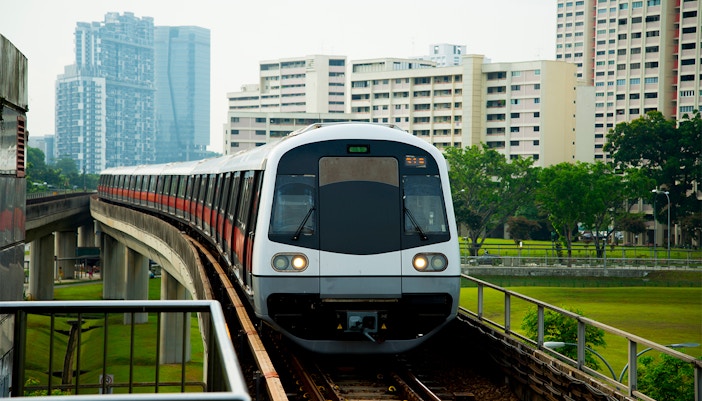
How do you get to the National Orchid Garden?
The National Orchid Garden sits inside Singapore Botanic Gardens in central Singapore, with Botanic Gardens MRT as the nearest major transit hub and Orchard Road a short ride away.
Singapore Botanic Gardens, 1 Cluny Road, Singapore 259569
- MRT: Botanic Gardens MRT (Circle Line/Downtown Line) → about 15–20 min walk → follow signs through Singapore Botanic Gardens toward the Orchid Garden.
- Taxi / rideshare: Ask for the National Orchid Garden or Singapore Botanic Gardens drop-off → shortest option if you're trying to avoid the midday heat.
- On foot: Best if you're already exploring the wider Botanic Gardens → budget extra time because the Orchid Garden sits uphill from several main lawns.
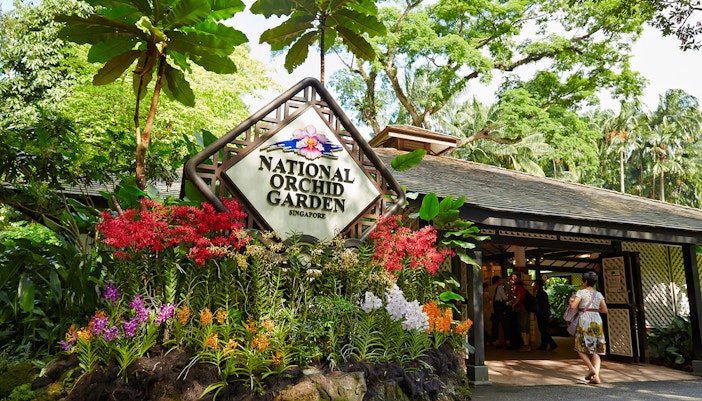
Which entrance should you use?
There is one ticketed entrance, and the main mistake is assuming prepaid tickets use a separate express lane. They don't.
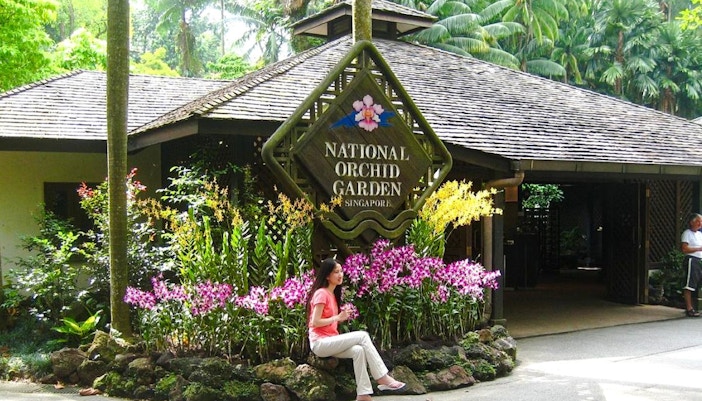
- Main entrance: Located at the National Orchid Garden gate inside Singapore Botanic Gardens. Expect 0–15 min wait on most days, with occasional backups up to about 30 min when tour groups or school visits arrive together.
When is National Orchid Garden open?
- Monday–Sunday: 8:30am–7pm
- Last entry: 6pm
When is it busiest?
Weekends year-round, plus June and November–December, are busiest from about 10am–2pm, when the paths feel hotter and group arrivals are most noticeable.
When should you actually go?
Aim for weekday opening from 8:30am–10am, when the hill is cooler, photo spots are clearer, and you reach the Cool House before the main crowds.
This garden is outdoors, uphill, and much less forgiving once the heat builds, so arriving right at opening changes both comfort and crowd levels.
You'll need around 1.5–2 hours to see the garden properly without rushing. That gives you enough time for the main outdoor displays, the VIP orchids, and the Sembcorp Cool House. If you're visiting mainly for photos, or you like reading labels and lingering in shaded corners, you could easily stay closer to 2 hours. If you're on a city tour, 45–60 min is possible, but it will feel compressed.
⚠️ Watch out for misleading ticket language online. Prepaid tickets can save money, but there is no separate express lane at the Orchid Garden, so don't pay a premium for 'priority' access that still sends you to the same entrance counter.
How do you get around National Orchid Garden?
The National Orchid Garden works best as 4 practical zones, and you can cover the highlights in about 1 hour or the full garden in 1.5–2 hours. Crowd flow is easiest if you keep moving uphill first, then use the Sembcorp Cool House as your reset before circling back to any photo spots you want to revisit.
Maps and navigation tools
- Lower slopes: Color-grouped orchid beds, entrance views, and easy first photo stops → budget 20–30 min.
- Burkill Hall and VIP Orchid Garden: Orchids named after visiting dignitaries around the black-and-white colonial house → budget 20–25 min.
- Sembcorp Cool House: High-altitude orchids, mist, and cooler air → budget 15–20 min.
- Upper hillside paths: Hanging orchids, mature planting, and quieter corners away from the entrance flow → budget 20–30 min.
Suggested route: Start with the outdoor beds while the light is still soft, move to Burkill Hall before mid-morning groups build, then finish in the Sembcorp Cool House when the heat is strongest.
- Map: Download or pick up a Botanic Gardens map → it helps you locate the Orchid Garden within the wider grounds → get it before you start walking uphill.
- Signage: Wayfinding inside the garden is generally manageable, but a map helps if you're pairing it with the larger Botanic Gardens on the same visit.
- Audio guide / app: Not applicable.
- Large outdoor POIs only: You won't need trail tech here, but a map still saves backtracking if you're entering from another part of Singapore Botanic Gardens.
💡 Pro tip: Use the Sembcorp Cool House late in your route, not first, because it works best as a mid-visit cool-down once the outdoor paths heat up.
Get the National Orchid Garden map / audio guide
What is National Orchid Garden worth visiting for?
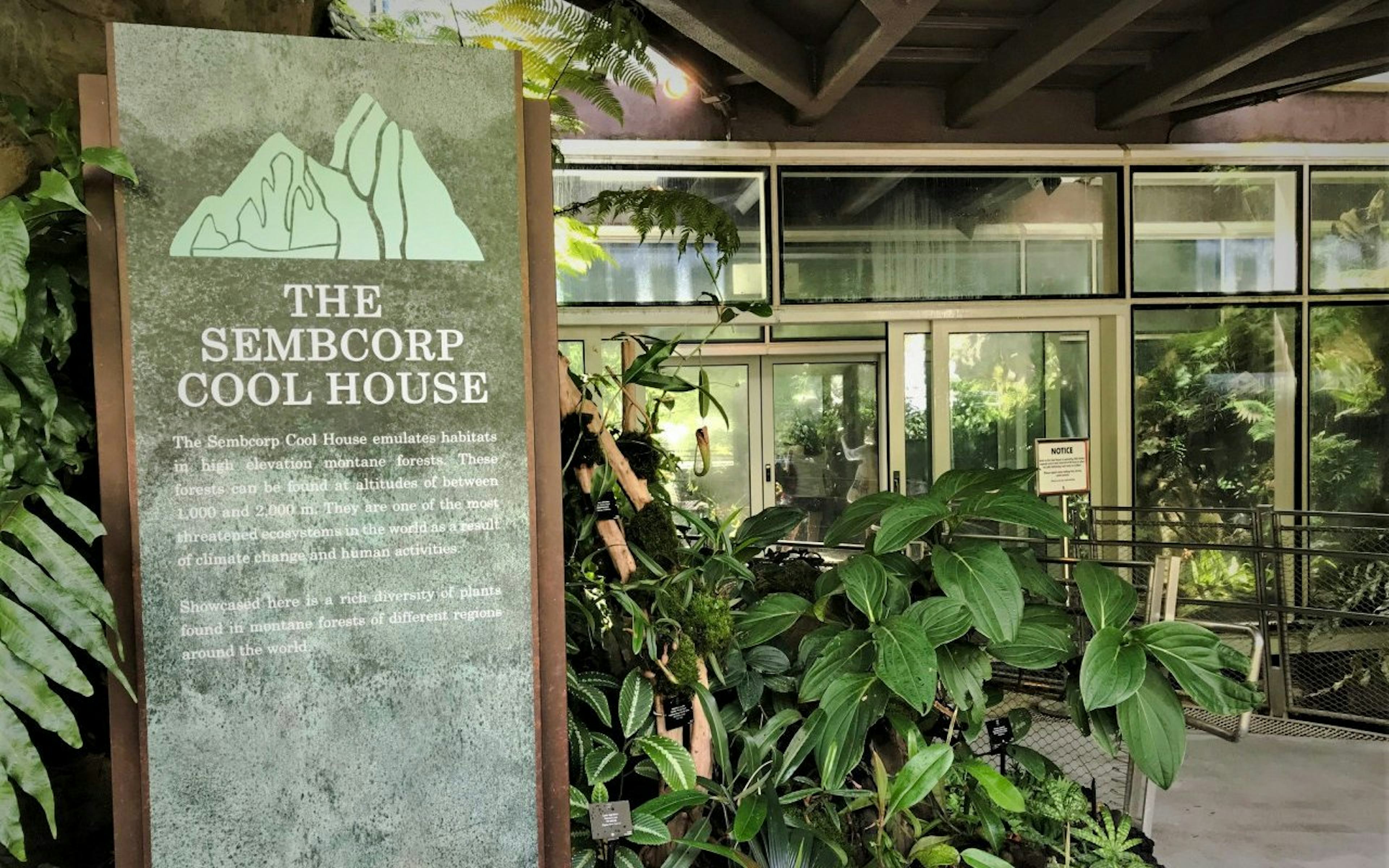
Sembcorp Cool House
Highlight type: Climate-controlled orchid house
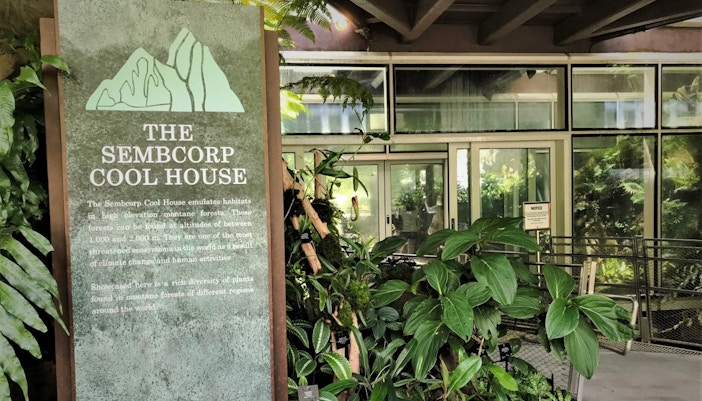
This is the garden's biggest contrast moment: you leave the humid hillside and step into a cool, misty cloud-forest setting built for high-altitude orchids. It feels less like a standard glasshouse and more like a miniature mountain habitat, with orchids framed by rocks, greenery, and moisture in the air. What many visitors rush past is how different the species look here from the brighter outdoor hybrids.
Where to find it: In the upper section of the National Orchid Garden, after the main outdoor paths and hillside displays.
VIP Orchid Garden
Highlight type: Named orchid collection
This section displays orchids named after world leaders, royals, and public figures, which gives the visit a distinctly Singaporean layer of diplomacy and horticultural pride. It's more meaningful than it first looks because the naming tradition is a long-running part of the country's statecraft. Many visitors photograph the blooms but miss the name plaques that explain why this area is different from the rest of the garden.
Where to find it: Around Burkill Hall within the National Orchid Garden.
Burkill Hall setting
Highlight type: Colonial garden house and viewpoint
Burkill Hall adds structure and scale to the visit because it breaks up the flower displays with one of the garden's most recognizable architectural backdrops. The contrast between the black-and-white house and the surrounding orchids makes this one of the strongest photo areas in the garden. Many people pass through quickly without taking in how the house anchors the VIP section and changes the feel of the route.
Where to find it: On the upper hill, at the heart of the VIP Orchid Garden area.
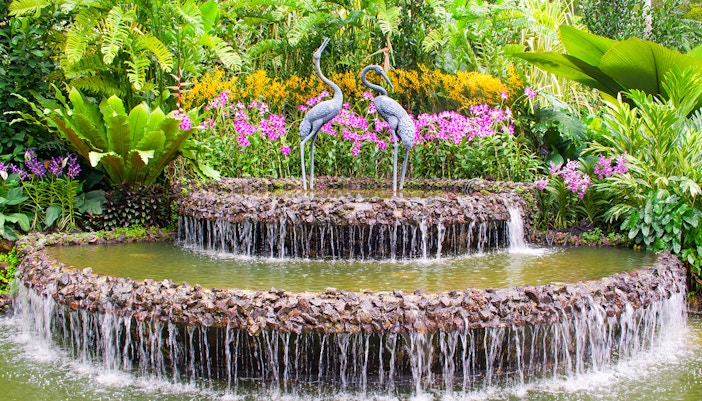
Outdoor orchid slopes and hanging displays
Highlight type: Landscape planting
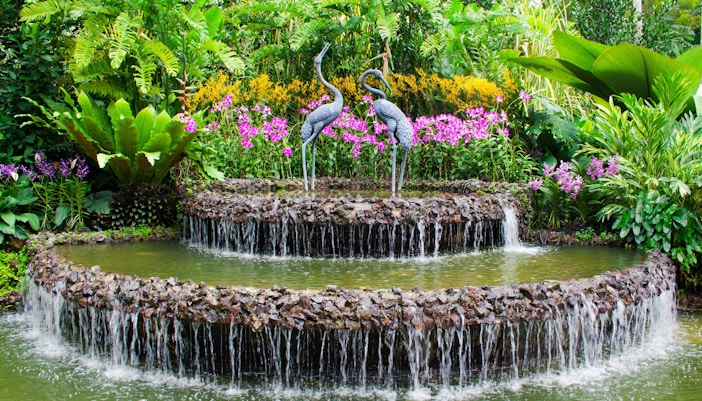
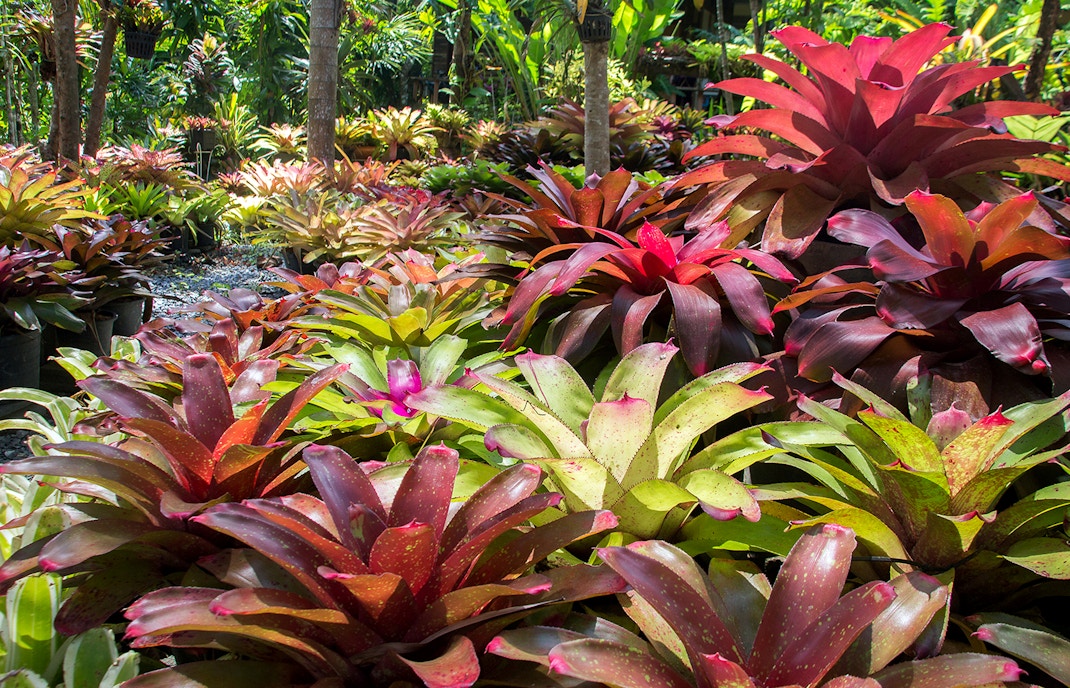
This is where the National Orchid Garden feels least like a collection and most like a living tropical landscape, with orchids mounted on trees, cascading from baskets, and massed into colorful hillside beds. It rewards slow walking more than checklist sightseeing because the best details are often above eye level or tucked beside the path. Visitors frequently miss the tree-mounted orchids because they're looking straight ahead for the next viewpoint.
Where to find it: Throughout the main uphill paths between the entrance and the upper garden sections.
Facilities and accessibility
- 🎟️ Ticket counter: The single entrance counter handles both walk-up tickets and voucher redemption, so waits are usually short unless a tour group or school visit arrives first.
- 🛍️ Gift shop / merchandise: The small shop near the entrance and exit is the easiest place for orchid-themed souvenirs, but it can clog up when groups leave together.
- 🍽️ Food and drink: There is no café or food stall inside the ticketed garden, and outside food and drinks are not permitted once you enter.
- ❄️ Cool-down space: The Sembcorp Cool House is the one reliably cool indoor stop, so many visitors use it as a built-in break once the outdoor heat rises.
- 🪑 Seating / rest areas: This is still a walking visit, but scattered benches and shaded pauses give you places to slow down on the hill.
- ♿ Mobility: Main paths are paved, but some parts rely on steep grades or stair-linked sections, so wheelchair users and anyone with limited mobility should expect extra route planning.
- 🧠 Cognitive and sensory needs: Weekday mornings are the easiest low-stimulation window, while weekends and late mornings feel busier once tours and school groups arrive.
- 👨👩👧 Families and strollers: Strollers can use much of the route, but the uphill layout makes it less effortless than flatter indoor attractions.
- 🌿 Terrain: This is an outdoor hillside garden, so heat, humidity, and continuous walking affect accessibility almost as much as the formal path layout.
The garden works best for children who enjoy color, open-air walks, and photo-friendly spaces more than hands-on play.
- 🕐 Time: With young children, 45–90 min is realistic if you focus on the outdoor displays and the Sembcorp Cool House instead of covering every path.
- 🏠 Facilities: Child-specific amenities are not a major part of the experience, so this visit works better as a short family walk than a half-day children's attraction.
- 💡 Engagement: Turn it into a color hunt or shape hunt, because younger children engage better when they are spotting unusual blooms rather than walking for the sake of walking.
- 🎒 Logistics: Arrive at opening, bring sun protection, and keep the visit short enough that the uphill heat doesn't become the main memory.
- 📍 After your visit: The wider Singapore Botanic Gardens are the easiest follow-up, with open space that feels less structured after the ticketed section.
Rules and restrictions

What you need to know before you go
- Entry requirement: A paid admission ticket is required for the National Orchid Garden, while children up to the age of 12 years enter free with an adult.
- Bag policy: Small day bags are the easiest option because this is a walking visit and published size restrictions for larger bags are unavailable.
- Re-entry policy: Information unavailable.
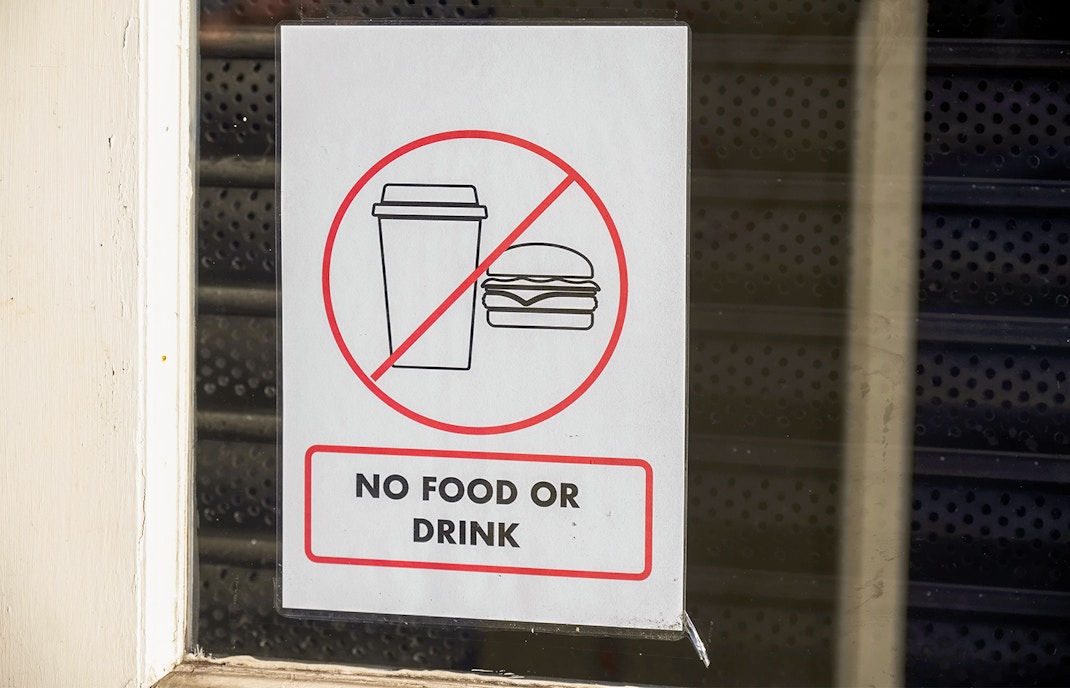
Not allowed
- Food and drink: Outside food and drinks are not permitted inside the Orchid Garden, so eat and hydrate before entering.
- Touching plants: Do not touch or step into planted areas, because the displays are living collections rather than decorative props.
- Pets: Information unavailable.
- Smoking / vaping: Information unavailable.

Photography
- Casual photography is clearly part of the experience, and most visitors spend a good share of their time taking pictures around the outdoor displays, Burkill Hall, and the Sembcorp Cool House.
- Published rules in the available material do not clearly separate permissions for flash, tripods, or other larger equipment, so keep your setup simple and follow any staff directions on the day, especially in tighter indoor areas.
Good to know
- No real express lane: Prepaid tickets can save money, but they do not unlock a separate fast-track entrance.
- Last entry matters: The garden stays open until 7pm, but entry stops at 6pm, which catches out late-day visitors more often than they expect.
Practical tips
- Booking and arrival: You usually don't need to book far in advance because the garden rarely has serious entry lines, but online tickets can be worth it if you find a real discount from the walk-up S$15 adult price.
- Pacing: Save the Sembcorp Cool House for the middle or later part of your route, because it works best as a cool reset once the outdoor hill starts to feel heavy.
- Crowd management: The best window is weekday opening from 8:30am–10am, when the paths are cooler and large tour groups and school visits have not yet stacked the entrance.
- What to bring or leave behind: Bring a phone or camera with plenty of battery, because the garden is one of those places where people take far more photos than they expect.
- Heat strategy: Even visitors who arrived fairly early said the temperature climbed quickly before they left, so sun protection matters more here than at indoor Singapore attractions.
- Food and drink: Eat before you enter, because there is no café inside the ticketed garden and outside drinks are not allowed once you're in.
- Visit length: If you're only giving it 45–60 min as part of a city tour, go in knowing you'll be skimming highlights rather than seeing the garden properly.
- Expectations: Don't write it off as 'just orchids' before you arrive, because many first-time visitors ended up calling it one of Singapore's best-value paid attractions.
What else is worth visiting nearby?
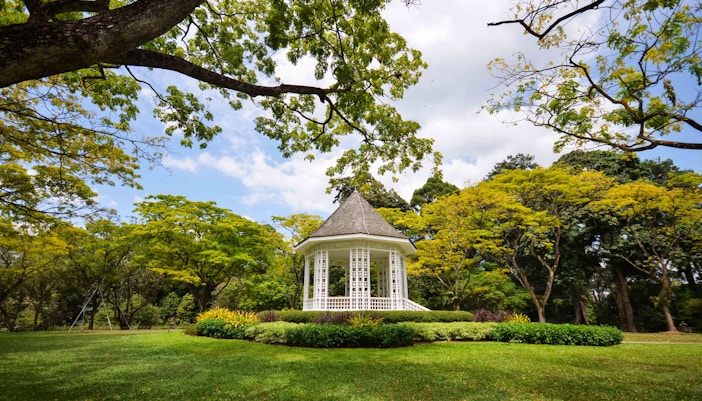
Commonly paired: Singapore Botanic Gardens
Distance: 0 m — direct access on foot
Why people combine them: The Orchid Garden sits inside the larger Botanic Gardens, so pairing them is the most natural same-visit plan and gives you both a curated ticketed section and the wider UNESCO-listed grounds.

Commonly paired: Jacob Ballas Children's Garden
Distance: Information unavailable
Why people combine them: This is a sensible follow-up if you're visiting with children and want a more family-focused garden stop after the slower, more visual Orchid Garden experience.
Also nearby
Dempsey Hill
Distance: Information unavailable
Worth knowing: It works well as a post-garden food stop if you want a proper meal after a morning visit, especially since there is no café inside the ticketed Orchid Garden.
Orchard Road
Distance: Information unavailable
Worth knowing: If you want to pair nature with city time on the same day, Orchard is the easiest shift back into shopping, hotels, and lunch options.
Eat, shop and stay near National Orchid Garden
- On-site: There is no café inside the National Orchid Garden itself, so it works better to eat just before or just after your visit.
- The Halia (within Singapore Botanic Gardens, Ginger Garden): European and Asian plates in a calm garden setting, and the easiest proper sit-down option if you don't want to leave the grounds.
- Bee's Knees at The Garage (within Singapore Botanic Gardens, 50 Cluny Park Road): Casual café food, coffee, pastries, and outdoor seating that suits a pre-visit breakfast or easy family stop.
- Corner House (within Singapore Botanic Gardens, 1 Cluny Road): Fine-dining tasting menus in a black-and-white house, best saved for a slower lunch or special-occasion meal after the garden.
- 💡 Pro tip: The smartest move is an early garden visit followed by lunch, because the heat rises quickly and food options feel much more rewarding once you're done walking uphill.
- National Orchid Garden gift shop: Orchid-themed souvenirs and small gifts right by the entrance and exit, but it's best used before tour groups spill out.
- Cluny Court: Practical shops and cafés a short distance from the gardens, useful if you want everyday pickups rather than attraction souvenirs.
This part of Singapore is green, polished, and quiet, with easy access to the Botanic Gardens but less nightlife and fewer obvious short-stay conveniences than Orchard. It suits travelers who want a calmer base and don't mind relying on taxis or the MRT for evenings. If you want to walk to the Orchid Garden first thing, it works well, but it isn't the most flexible all-purpose tourist base in the city.
- Price point: The area skews mid-range to upscale, with hotel value usually stronger once you move closer to Orchard.
- Best for: Visitors who want a quieter stay near the gardens and prefer mornings that start outdoors instead of in the busiest shopping districts.
- Consider instead: Orchard is a better fit for shorter stays, broader dining choice, and easier city logistics, while Marina Bay suits travelers who want headline attractions clustered together.
Frequently asked questions about visiting National Orchid Garden
Most visits take 1.5–2 hours. That gives you enough time for the main outdoor displays, Burkill Hall, the VIP orchids, and the Sembcorp Cool House without turning the visit into a rushed photo loop. If you're on a city tour, you may only get 45–60 min, which is enough for highlights but not the full garden.
No, you usually don't need to book far in advance. Entry lines are normally short, especially on weekday mornings, and many visitors still buy tickets at the entrance without trouble. The main reason to prebook is price, since online deals can sometimes come in below the standard S$15 adult non-resident rate.
Arrive right at opening if you can, even though the garden doesn't rely on strict timed-entry pressure like larger museums. The best window is 8:30am–10am, when the hill is cooler, the paths are clearer, and you reach the Sembcorp Cool House before mid-morning tour groups build up.
Yes, a small bag or backpack is the simplest choice for this visit. There is no widely reported security bottleneck, but published size rules for larger bags are unavailable, and the garden is easier to enjoy when you're not carrying extra weight uphill in Singapore's humidity.
Yes, casual photography is one of the main reasons people enjoy the garden. The strongest photo areas are the hillside displays, Burkill Hall, the VIP Orchid Garden, and the Sembcorp Cool House. Detailed published rules for flash, tripods, and larger setups are not clearly stated in the available material, so keep equipment light and follow staff directions.
Yes, and plenty of visitors do. Tour groups and school groups are common enough that they sometimes create the garden's only noticeable queues, especially around late morning. If you're organizing your own group, earlier arrival makes a clear difference to comfort, crowding, and how easy it is to keep everyone moving together.
Yes, but it suits children who enjoy color, walking, and open-air spaces more than hands-on attractions. Children up to the age of 12 years enter free, and many families keep the visit to 45–90 min, focusing on the cooler indoor stop and the most photogenic sections instead of every path.
Partly, but not effortlessly. Main paths are paved, yet some sections depend on steep grades or stairs, so wheelchair users and anyone with limited mobility should expect extra planning and possible route changes. This is one of the few parts of the experience where expectations matter a lot before you arrive.
Food is available near the garden, but not inside the ticketed area itself. There is no café within the National Orchid Garden, and outside food and drinks are not allowed once you enter, so most visitors do better with breakfast before the visit or lunch immediately after in the wider Botanic Gardens area.
The best time to visit is right at opening on a weekday. From 8:30am–10am, the weather is more manageable, the photo spots are less crowded, and you avoid the temporary crowd spikes that happen when tour groups and school visits start arriving closer to late morning.
Yes, it is included with regular admission. That's one reason the garden feels like good value: the ticket covers both the outdoor orchid landscapes and the cooled indoor house, which many visitors end up treating as a highlight rather than a quick stop.