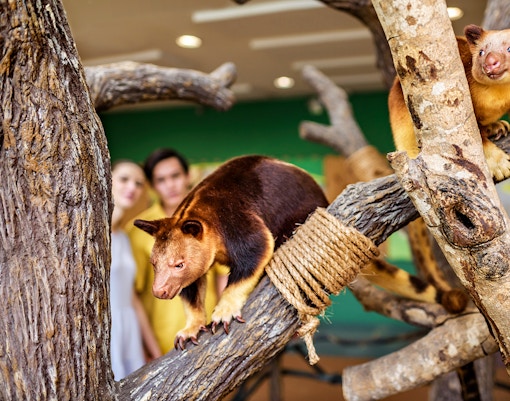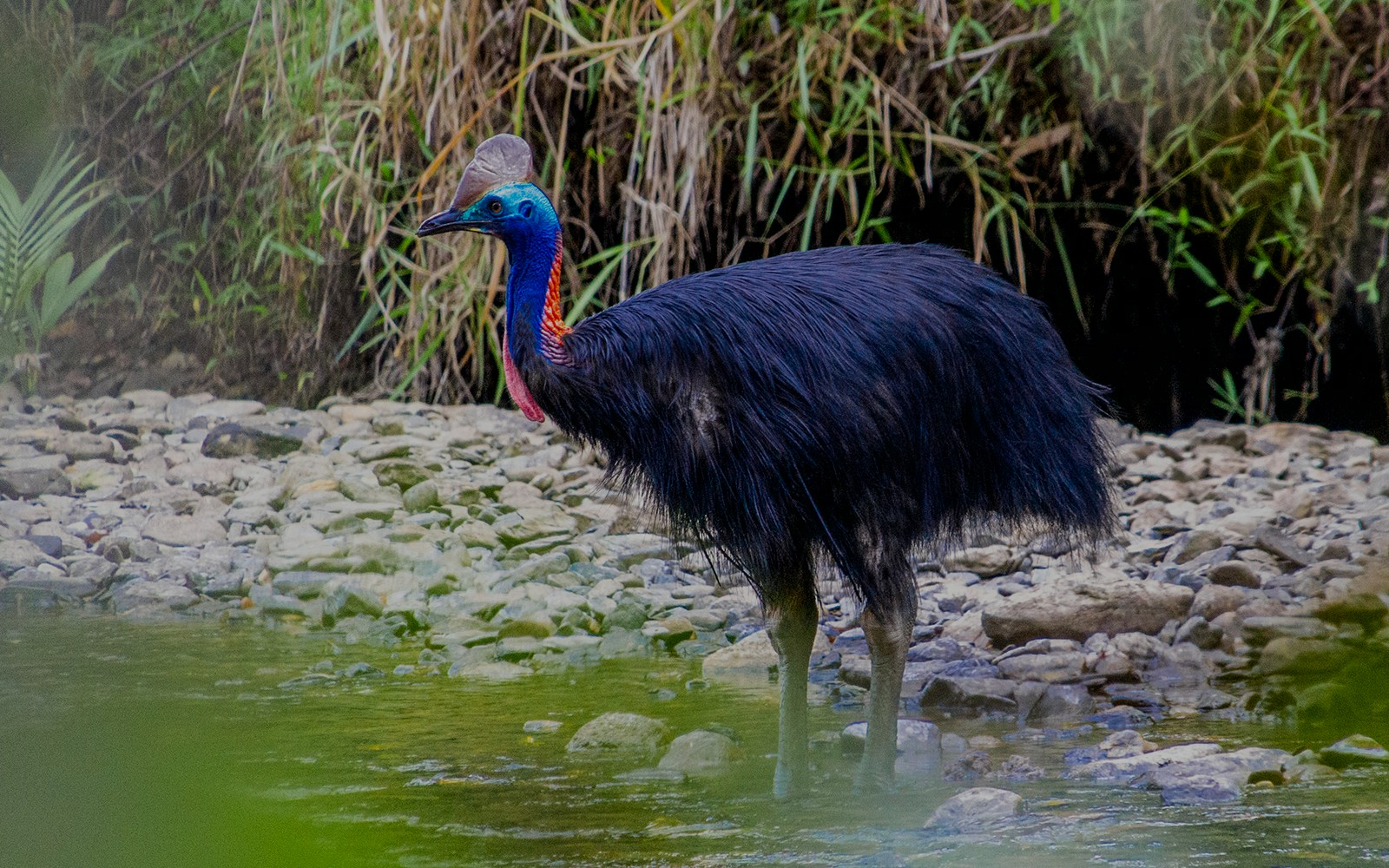
Step into landscapes inspired by the wild outdoors of Australia. This zone is home to marsupials that you won’t encounter anywhere else in the zoo.
Animals you’ll see: Grey kangaroo, red-necked wallaby, tree kangaroo, cassowary
RECOMMENDED DURATION
2 hours
Timings
08:30–18:00
VISITORS PER YEAR
2000000
TICKETS
From $38.63
EXPECTED WAIT TIME - STANDARD
30-60 mins (Peak), 0-30 mins (Off Peak)
The Singapore Zoo opened its doors to the public on 27 June 1973. Back then, it was known as the Singapore Zoological Gardens.Since opening in 1973, the zoo pioneered the open-concept design, using natural barriers instead of cages to create immersive habitats.
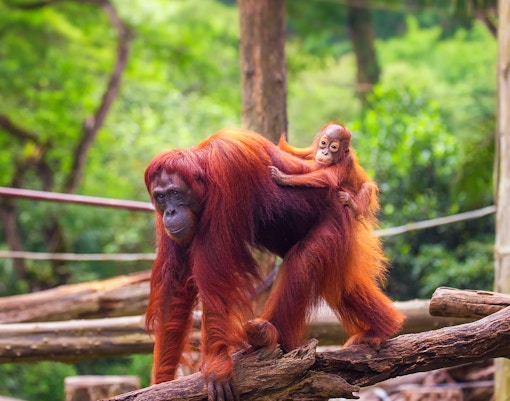
At the time of inauguration, the zoo had housed 72 animal species; it's come a long way since! Home to the world’s first free-ranging orangutan habitat, where you can watch these primates swinging freely above you.
The first Orangutan birth at Singapore Zoo happened in 1975. It has seen over 40 more Orangutan births since then. Features unique residents like the proboscis monkey, Malayan tapir, and giant flying squirrels; animals rarely seen in other zoos
Ramchandran J
Rahul S
+2 more
Dieter P
+2 more
Kylie H
+2 more
Kathleen T
Karen B
+1 more
Ang Y
+1 more
Hemant P
+1 more


Unlike traditional zoos with cages and bars, Singapore Zoo features open-concept enclosures—moats, hidden barriers, and glass create a naturalistic setting where animals roam freely in landscaped, rainforest-like habitats. This immersive setup makes visitors feel part of the ecosystem rather than observers behind glass.
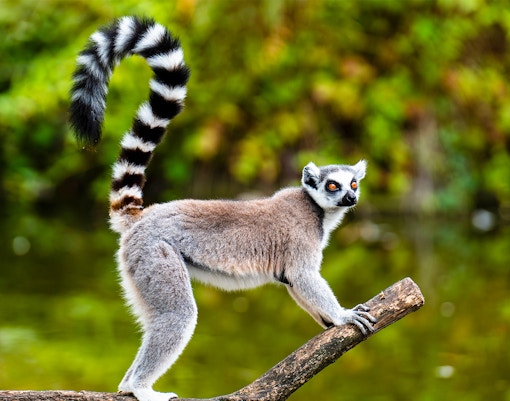
Home to over 2,530 animals across 315 species, including rare residents like orangutans, white tigers, and ring-tailed lemurs, the zoo offers diversity like few others. Many animals are active and engaging, making for lively and memorable sightings.
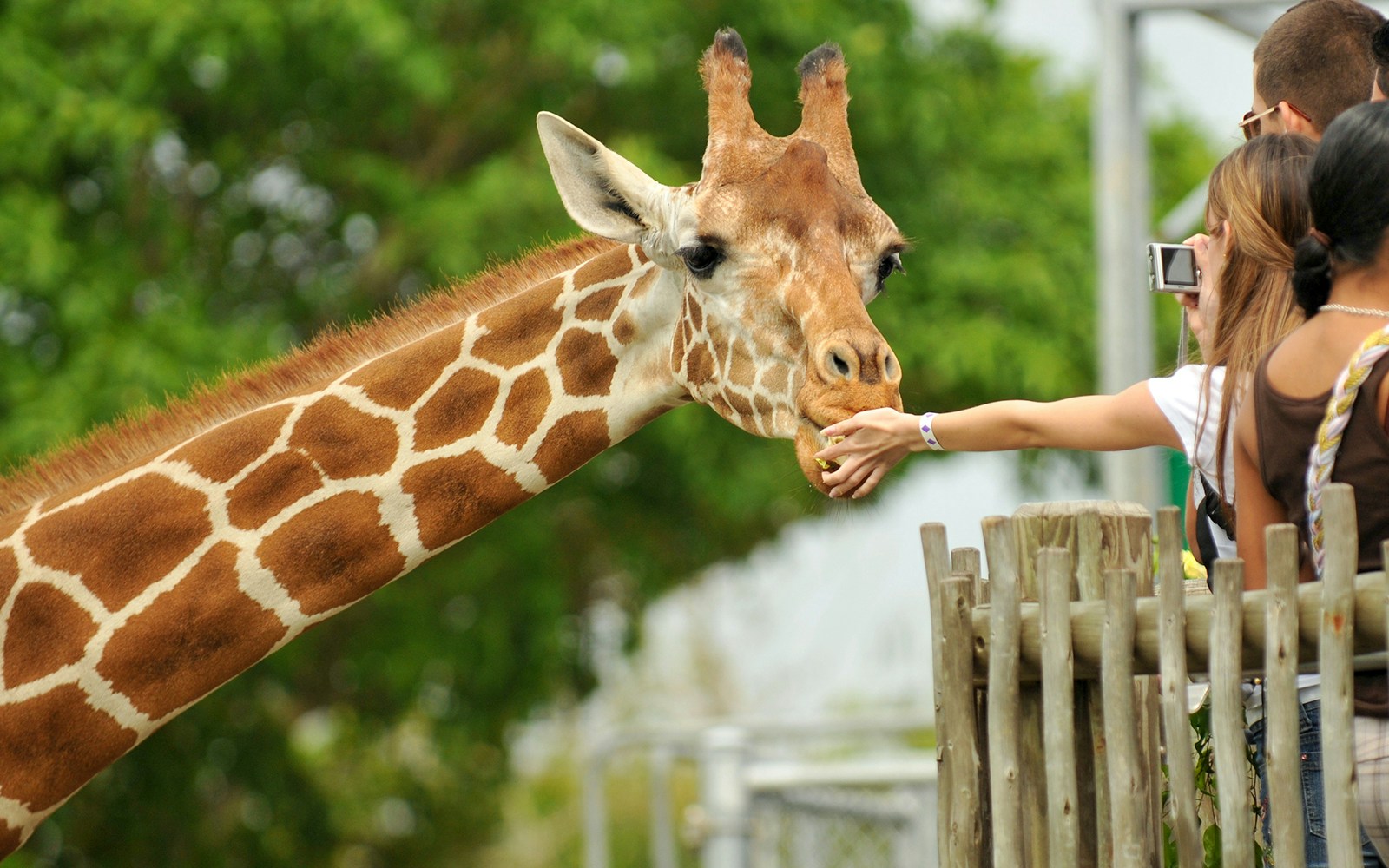
Daily shows like Splash Safari and Into the Wild, feeding opportunities with elephants, giraffes, and more, and keeper talks bring visitors up close with wildlife (sometimes literally!). Sea lions perform tricks, trainers share animal care insights, and kids (and adults) can feed gentle giants.
Singapore Zoo runs the Wildlife Healthcare & Research Centre, which supports rescued species, breeding programs, and important wildlife research. Conservation is part of every ticket and encounter; from rescue stories to hands-on educational initiatives that inspire visitors about wildlife protection.
Set in 28 hectares of tropical greenery just an hour from downtown, the zoo is not only beautifully maintained, but also fully wheelchair-accessible. Paths are stroller and mobility-friendly, and many exhibits and shows are designed to be inclusive, and rest spots are abundant.

Step into landscapes inspired by the wild outdoors of Australia. This zone is home to marsupials that you won’t encounter anywhere else in the zoo.
Animals you’ll see: Grey kangaroo, red-necked wallaby, tree kangaroo, cassowary

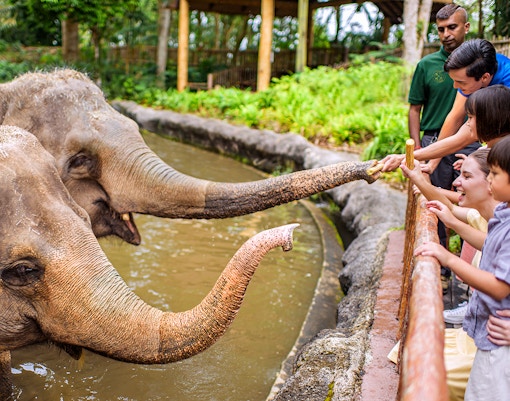
Meet the gentle giants of Asia in a spacious, naturalistic setting. Notice how their rounded ears set them apart from their African relatives while you learn about their social behaviors.
Animals you’ll see: Asian elephants

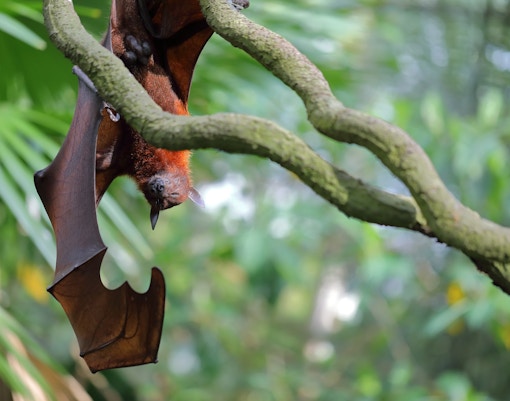
Walk through a biodome designed like a lush tropical rainforest. Here, you’ll find yourself surrounded by free-flying birds, butterflies, and tree-dwelling animals.
Animals you’ll see: Two-toed sloth, red ruffed lemur, fruit bats, butterflies, crowned pigeons, tropical birds

This 8,000m² zone mirrors Ethiopia’s rugged terrain and village-style architecture while showcasing its native wildlife.
Animals you’ll see: Hamadryas baboon, Nubian ibex, rock hyrax, serval, meerkat

Watch orangutans swing gracefully from tall towers and treetop pathways built to resemble their forest homes.
Animals you’ll see: Bornean orangutan, Sumatran orangutan

Discover a series of moated islands designed as natural homes for various monkey species, each reflecting its unique habitat needs.
Animals you’ll see: Colobus monkey, ring-tailed lemur, cotton-top tamarin, macaques, patas monkey, capuchin

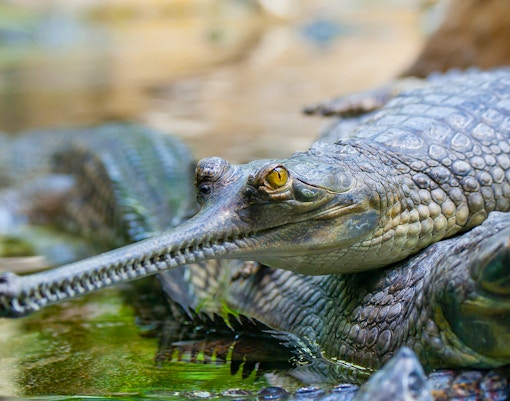
From massive snakes to tiny lizards, explore a sprawling complex of exhibits featuring reptiles from around the world.
Animals you’ll see: King cobra, Komodo dragon, emerald tree boa, Gila monster, Gaboon viper

A modern, interactive zone where you can get close to some of the most intriguing reptiles and amphibians on earth.
Animals you’ll see: Chameleon, monitor lizard, tomato frog, skinks, venomous snakes

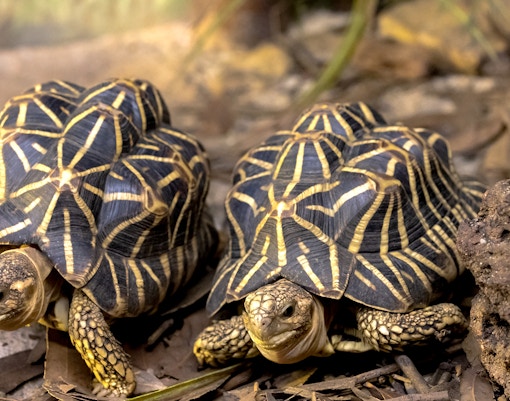
A dedicated conservation space for endangered tortoise species, carefully managed to support their survival.
Animals you’ll see: Indian star tortoise, radiated tortoise, angonoka tortoise

Follow a layered forest trail that reveals how animals live at different levels of the rainforest, from canopy to ground.
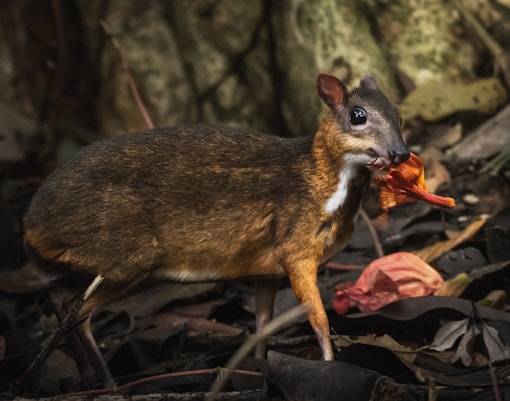
Animals you’ll see: Gibbons, otters, mousedeer, pygmy hippo, babirusa

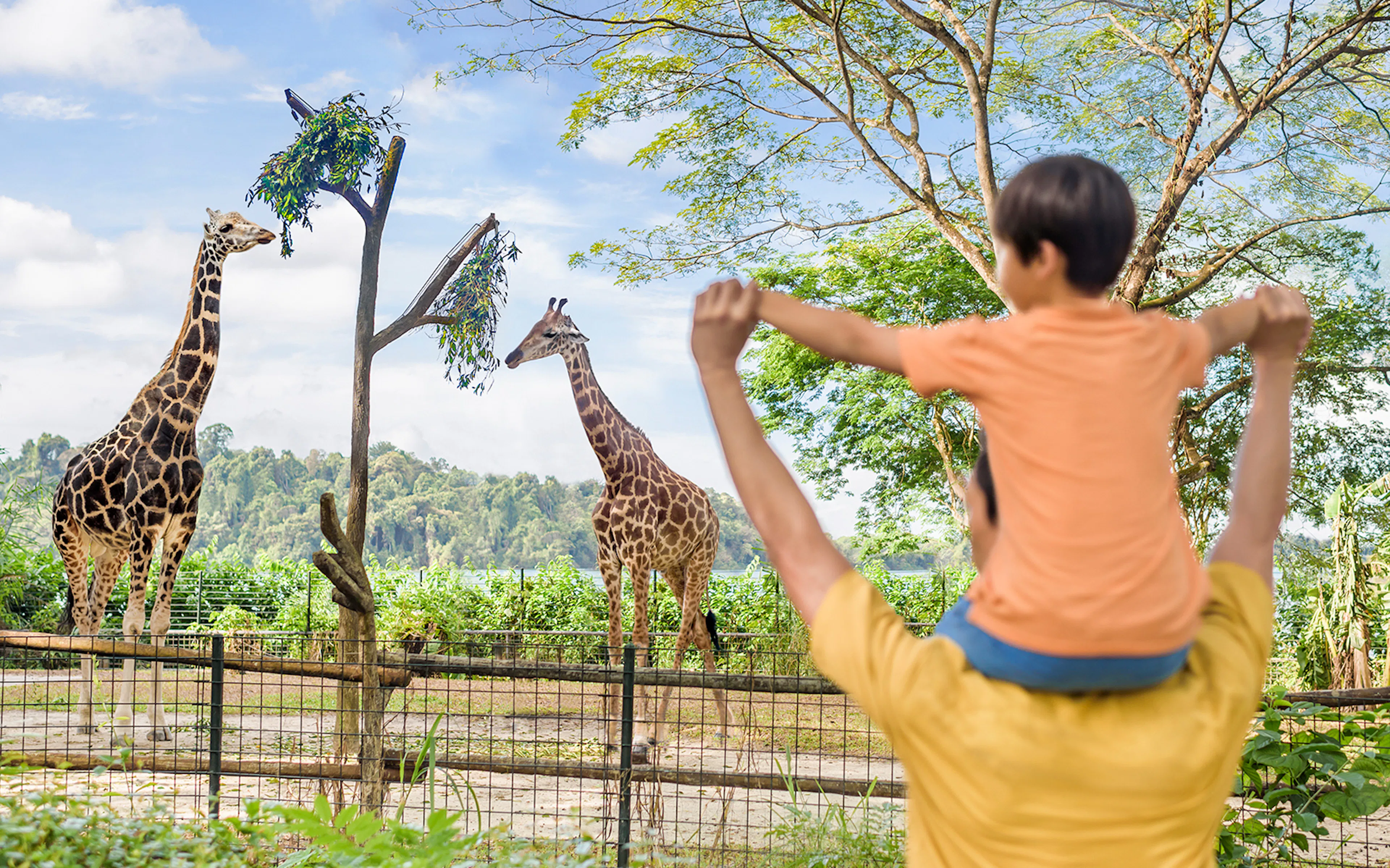
Experience the sights and sounds of the African savannah in Singapore. Observe predators and grazers in wide, open-style habitats.
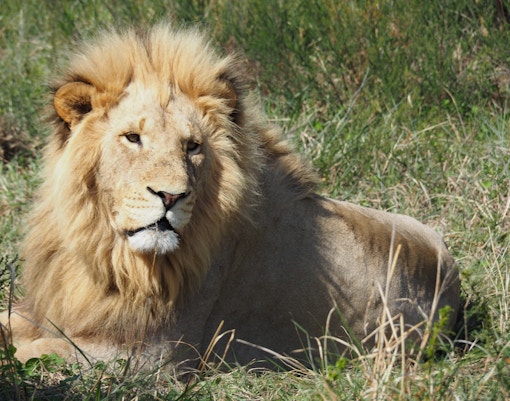
Animals you’ll see: Lions, giraffes, cheetahs, zebras, rhinos, African painted dogs, meerkats

Watch the drama unfold in the Great Rift Valley as hundreds of baboons chatter, groom, and play against a backdrop inspired by Ethiopia’s rugged highlands. It’s one of the zoo’s liveliest spectacles.


The Singapore Zoo is one of the world’s most celebrated rainforest zoos, home to over 4,200 animals across open, naturalistic habitats. It’s not just a place to see wildlife; it's a deep dive into biodiversity, conservation, and unforgettable animal encounters.
It opened its gates in 1973 and has since grown into a global model for modern, humane zoo design.
Sprawling across 28 hectares of lush Mandai rainforest, it feels more like wandering through the wild than visiting a traditional zoo.
From white tigers to orangutans, pygmy hippos to Komodo dragons, the zoo houses animals from every continent, many in free-ranging zones like the Fragile Forest and Wild Africa.
Don’t miss the famous orangutan breakfast, the Rainforest KidzWorld for little explorers, animal feeding sessions, and captivating wildlife shows like “Splash Safari” and “Rainforest Fights Back.”
The zoo is open daily, typically from 8:30 AM to 6:00 PM, with last entry around 5:00 PM. It's best to check closer to your visit for updated hours.
You can book general admission tickets, flexi-combos with River Wonders or Night Safari, or go for Mandai Destination Passes that cover multiple parks at a discount.
Yes, timed-entry tickets help reduce your waiting time, especially on weekends and school holidays.
No, re-entry is generally not allowed once you’ve exited. Plan your visit accordingly, especially if you're traveling with kids.
A typical visit lasts 4–6 hours. If you’re visiting with kids or plan to catch all the shows and feedings, you’ll want to allocate a full day.
Absolutely! The zoo is fully accessible, with wide paths, ramps, rental strollers, wheelchairs, and even mobility scooters available on-site.
Only service animals with proper documentation are permitted. Other pets are not allowed for safety reasons.
Yes! There’s everything from casual cafés to local Singaporean cuisine and even food kiosks near major zones. Don’t miss the Ah Meng Restaurant, named after the zoo’s iconic orangutan.
You can bring water and small snacks, but large meals and alcohol are not permitted.
Visit on weekday mornings right at opening time to enjoy cooler weather and fewer crowds — perfect for watching animals at their most active.
The zoo is located in the Mandai area. You can take the MRT to Khatib station and hop on the Mandai Khatib Shuttle, or use Grab/taxi services for direct access.
Yes, there’s ample parking for cars, motorbikes, and buses, with hourly rates.
Yes, Mandai offers internal tram and shuttle services connecting Singapore Zoo with River Wonders and Night Safari — super convenient if you’re exploring multiple parks in a day.
It’s fantastic! Rainforest KidzWorld is built just for them — with farm animals, water play areas, and pony rides.
Yes, free Wi-Fi is available at selected hotspots throughout the park.
Yes, it's a global leader in wildlife conservation, working on breeding programs, habitat protection, and partnerships with international organizations.